
Upcoming Events 2026 - 2027
When Politics meets Religion:
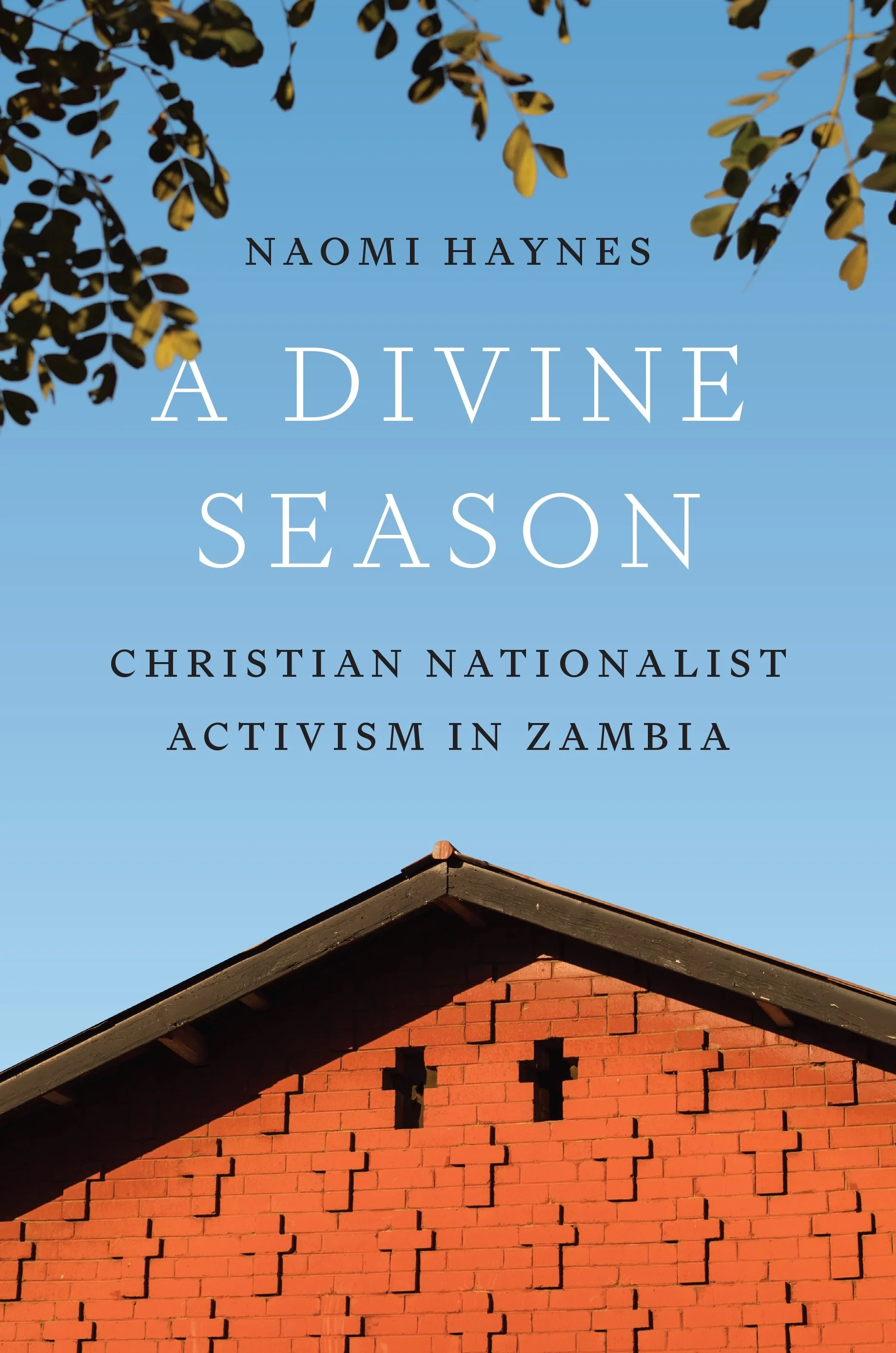
The Global Rise of Christian Nationalism: Lessons from Africa’s Only ‘Christian Nation’
Friday October 23rd 2026, 6:30pm.
Dr Naomi Haynes (University of Edinburgh) discusses a case history and its implications for our world today.
Dr Moyukh Chatterjee is moderator.
Join us for discussion and a drink at this early evening event
Augustine United Church 41-43 George IV Bridge Edinburgh
The views and opinions expressed at this event are solely those of the event organisers. They do not necessarily reflect the policies, positions, or views of Augustine United Church.
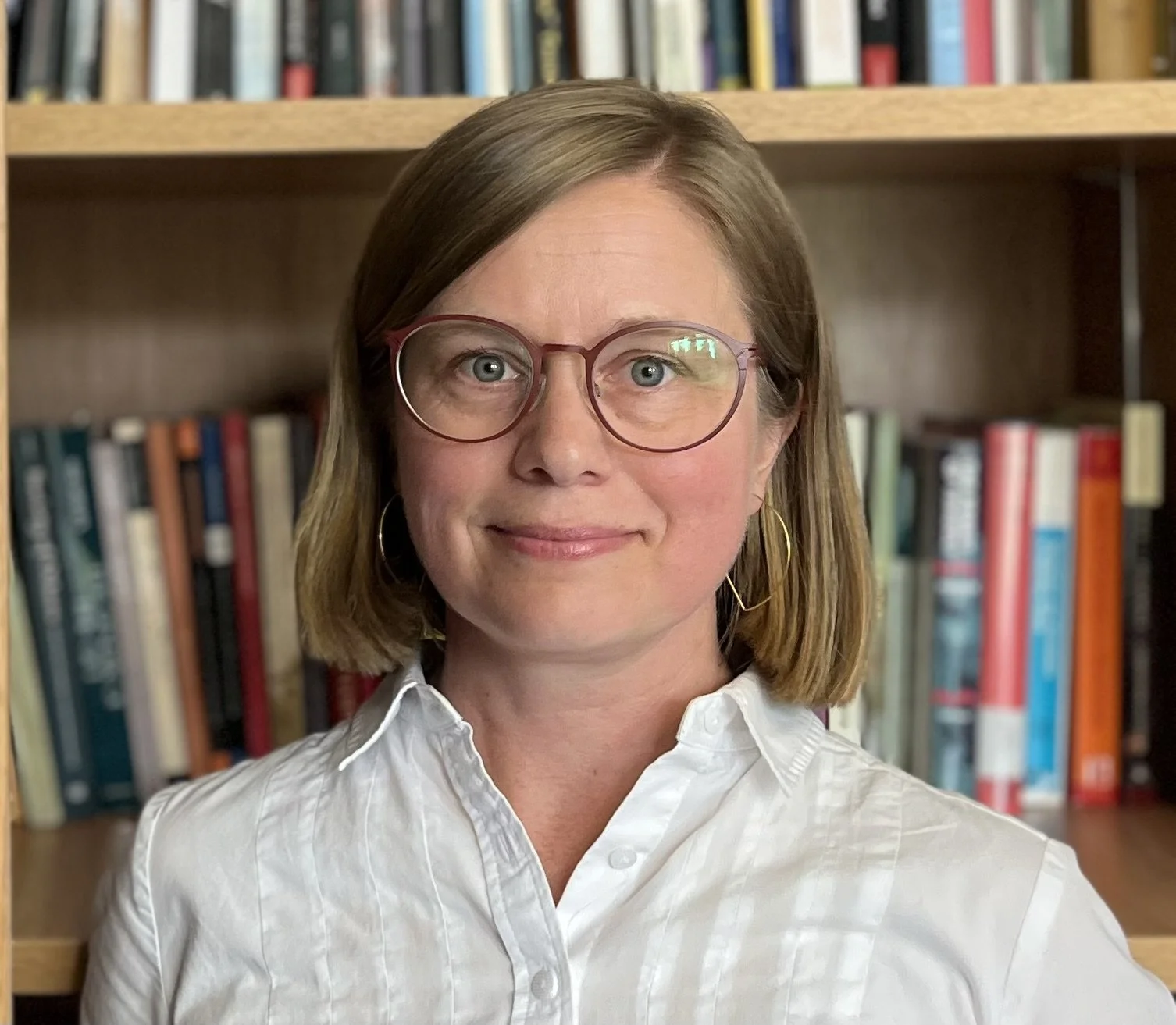
Dr Naomi Haynes
(University of Edinburgh)
How can we have good public discourse?
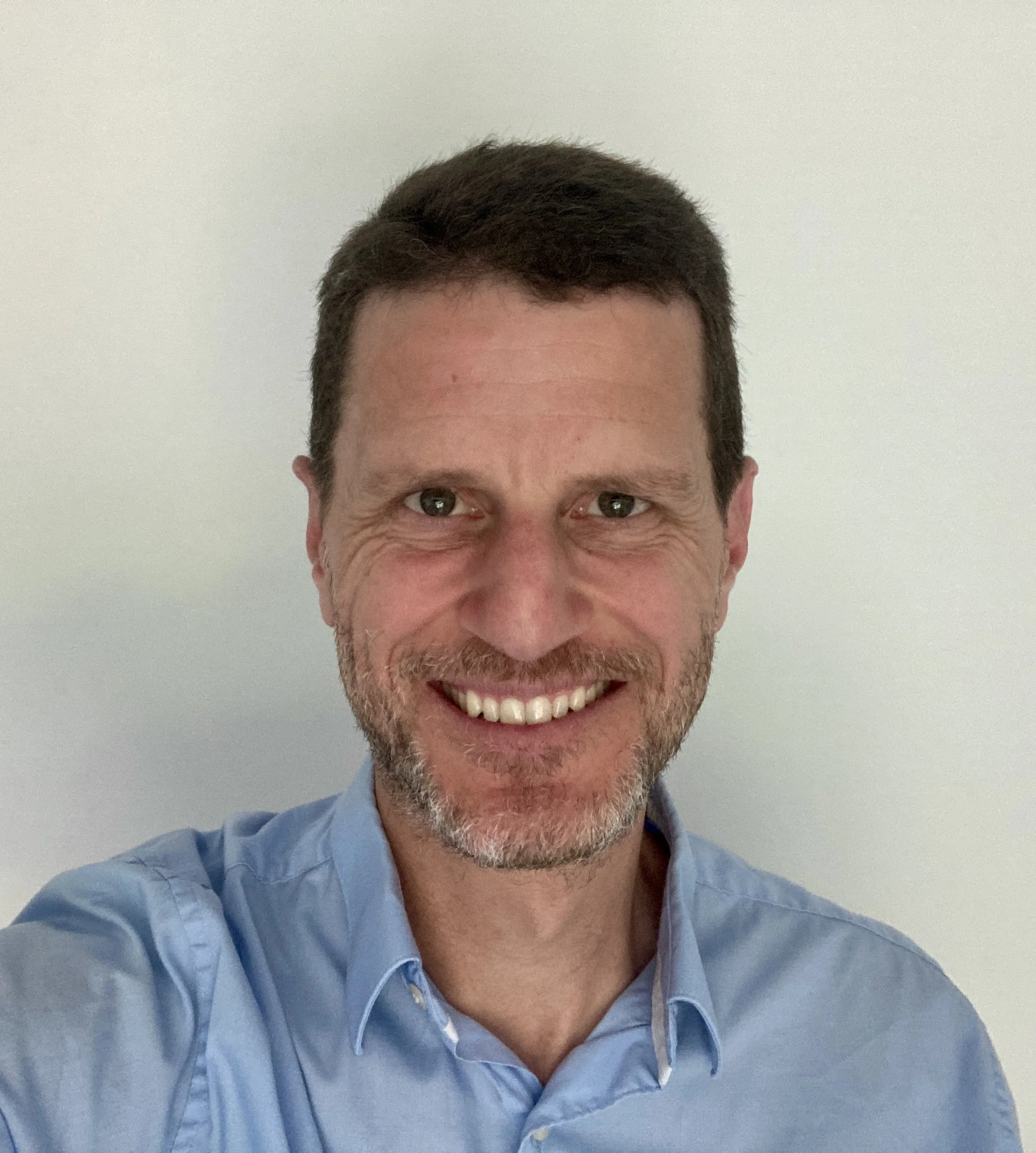
Dr Ben Sachs-Cobbe (University of St Andrews)

Making good citizens: instilling civic virtues in school
An early evening event on Monday November 23rd, 6:30pm.
Dr Ben Sachs-Cobbe, political philosopher at St Andrews University and past leader of The Ethics Cup project in discussion with the philosophers Dr. Aline Nardo and Dr. Enrico Galvagni (University of Edinburgh)
Augustine United Church 41-43 George IV Bridge Edinburgh
The views and opinions expressed at this event are solely those of the event organisers. They do not necessarily reflect the policies, positions, or views of Augustine United Church.
Science and Religion: Lived and Imagined Realities
A day conference on Saturday 28th November 2026
10.30am -2.30pm
Dr Shoaib Malik, Dr Lois McFarland, and Dr Ed Tulloch discuss robotics, transhumanism, and fictional imaginary selves. You are invited to join in these participatory sessions.
Augustine United Church 41-43 George IV Bridge Edinburgh
The views and opinions expressed at this event are solely those of the event organisers. They do not necessarily reflect the policies, positions, or views of Augustine United Church.
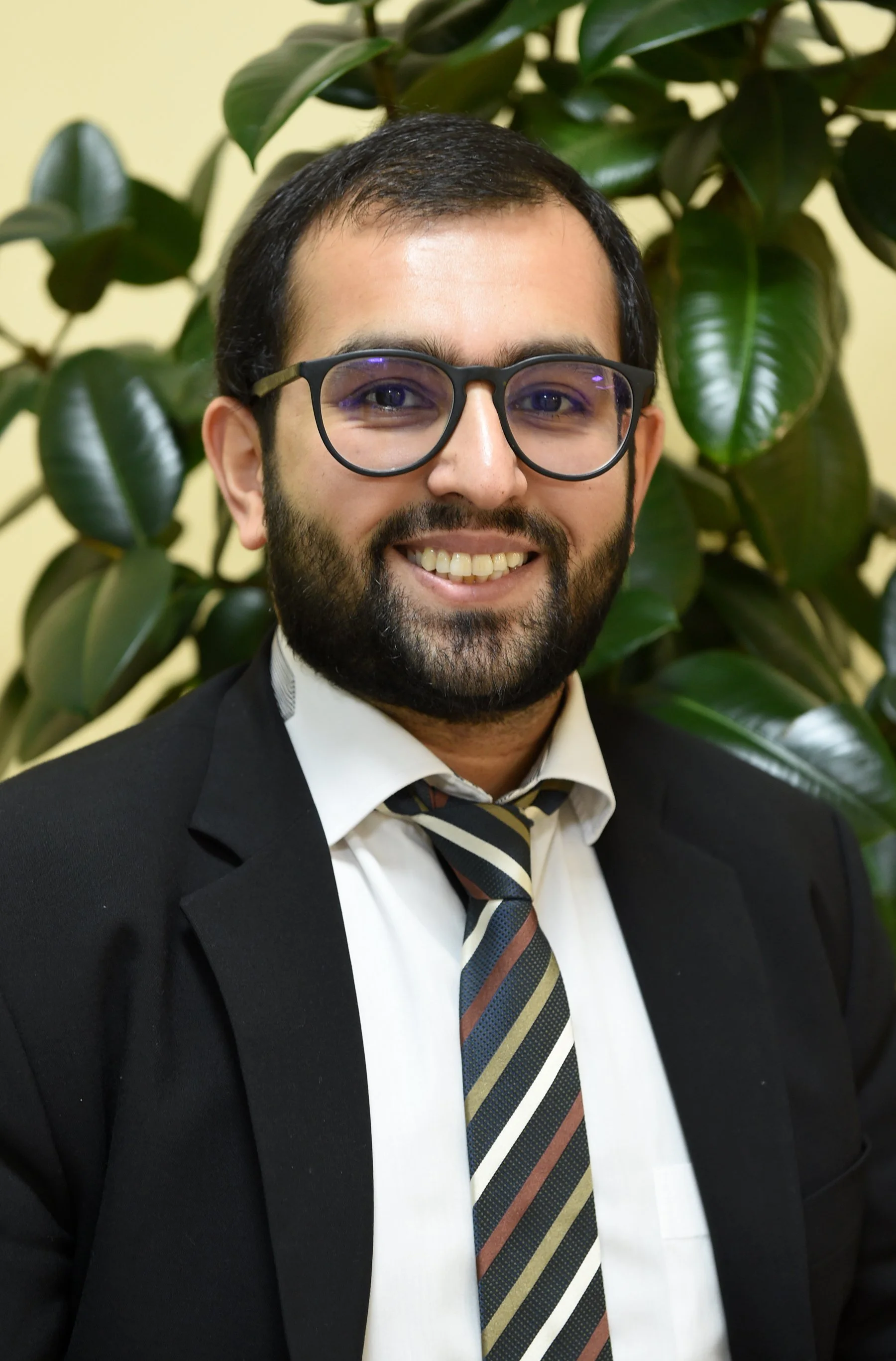
Dr Shoaib Malik (University of Edinburgh)
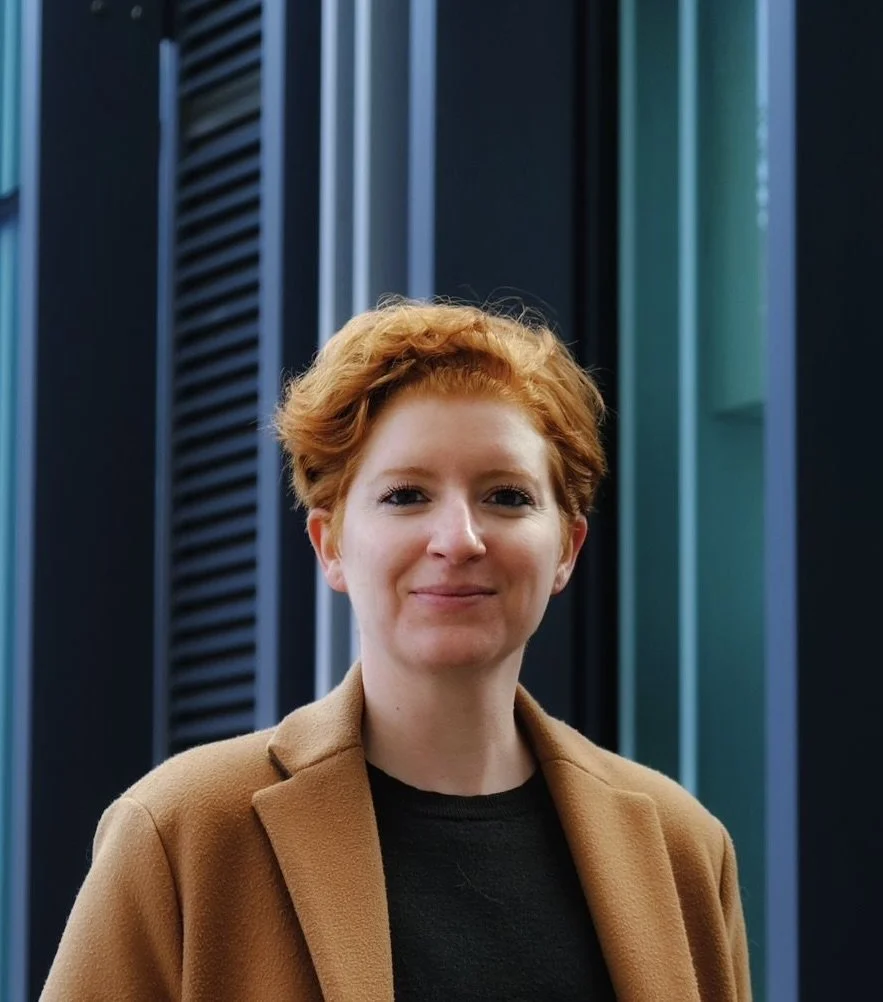
Dr Lois McFarland (University of Edinburgh)